
Earn The Income You Want. Our mission is to educate real estate agents on how to become career agents and sell more homes!. Join Our Team
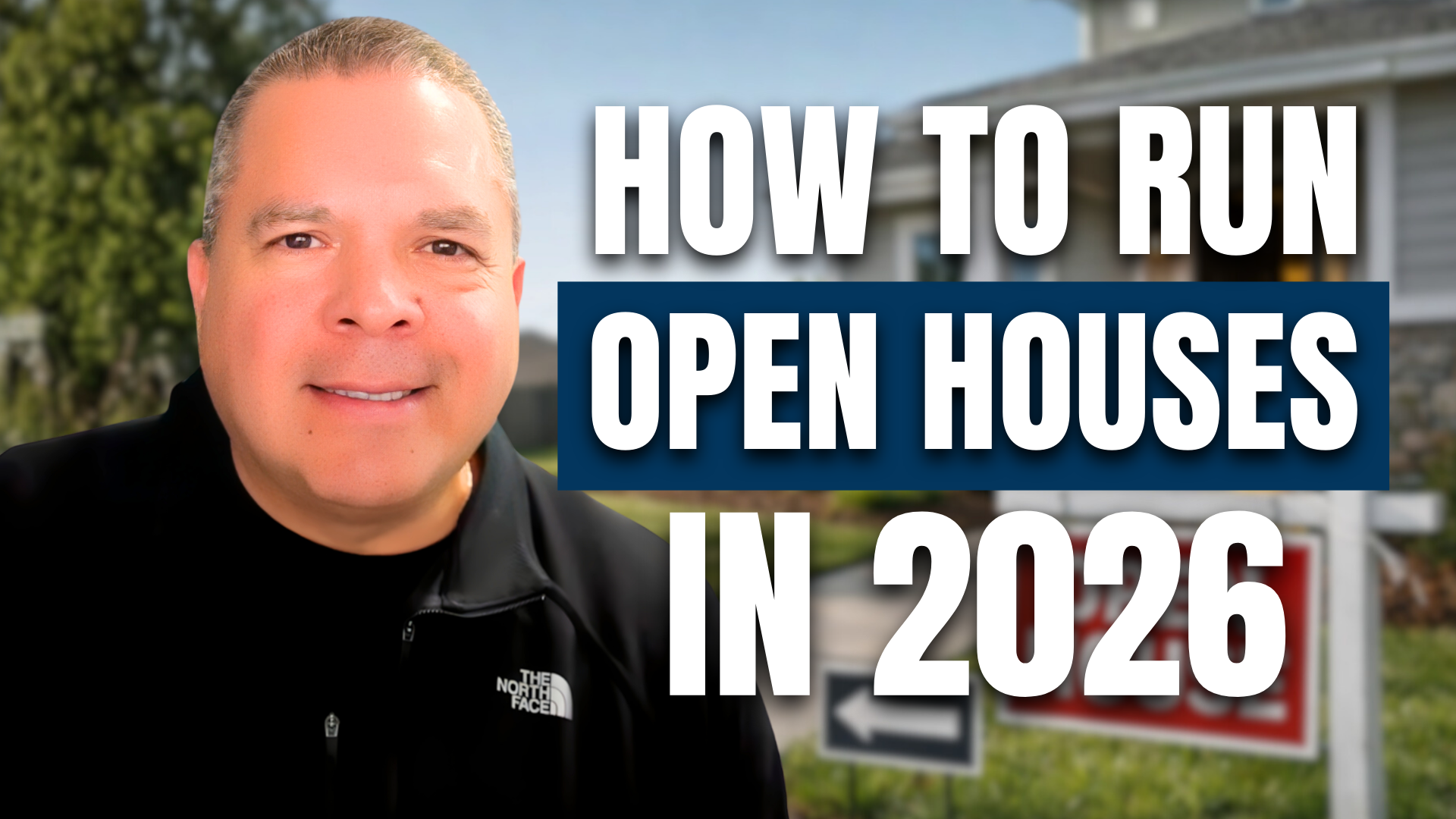
Every agent has asked the question at some point: Are open houses still worth it in a slower market? The answer is yes, but only when the strategy changes. Open houses are no longer about selling a home on the spot. They are about creating trust, starting meaningful conversations, and positioning yourself as the agent people want to work with when they are ready.
In faster markets, buyers moved quickly, and decisions were often made within days. In a slower market, buyers are more cautious, more informed, and far more selective. Many people who walk into an open house today are not ready to make an offer. They are gathering information, comparing options, and paying close attention to how agents communicate. That shift changes how open houses should be run.
If you’re thinking about hosting an open house in a slower market, here’s what you need to do to make the event a success.
1. Shift the goal from selling the house to serving the visitor. The biggest mistake agents make at open houses in a slower market is focusing only on the property. When the goal is to sell the house, conversations tend to feel rushed or scripted, and visitors sense the pressure immediately.
Instead, the goal should be to understand the person walking through the door. Some visitors are early in their search. Some are neighbors. Some are watching prices. Some may already have an agent but are unsure if they are getting the right guidance.
When you ask thoughtful questions, listen carefully, and offer insight without pushing, people stay longer and engage more openly. Serving the visitor creates a far stronger impression than trying to sell the home.
2. Use the open house to demonstrate expertise, not salesmanship. Today’s buyers have access to endless information online. What they do not have is context. An open house allows you to show how you think, not how hard you sell.
This can include explaining why the home is priced the way it is, what buyers are comparing it to, how long similar homes are staying on the market, and what buyers are prioritizing right now. These insights help visitors understand the bigger picture and build confidence in your knowledge.
In a slower market, clarity builds trust. When people leave an open house feeling informed instead of pressured, they remember the agent who helped them understand their options.
3. Create a clear, natural next step after the open house. A strong conversation should not end when someone walks out the door. Without a next step, even a great interaction fades quickly.
The follow-up does not need to be complicated. It might be a brief check-in on their timeline, an invitation to review local market data, or a simple conversation about what they hope to do next. The key is that the next step feels useful and relevant to their situation.
When an open house is designed to create value first, people are far more open to continuing the relationship.
If you are hosting open houses and not seeing the results you want, it may be time to adjust the approach. If you would like to talk through how to run open houses that create real conversations and long-term clients in today’s market, feel free to call or reach out. I’m always happy to help.
-
Earn The Income You Want. Our mission is to educate real estate agents on how to become career agents and sell more homes!. Join Our Team
-
Free Strategy Call. I’ll help you write a personalized business plan for your needs and goals. Book a Call
-
Free Agent Training Newsletter. Get our latest Q&A, insights, and business tips to grow and scale your business. Subscribe Now
-
Coach Resources. Access and download all essential resources provided by our coaches to support your growth and learning journey. Download Now